Home > Blog > Guides
Installation • August 28, 2026
Can You Coat a Garage Floor in Winter in Boise, ID?
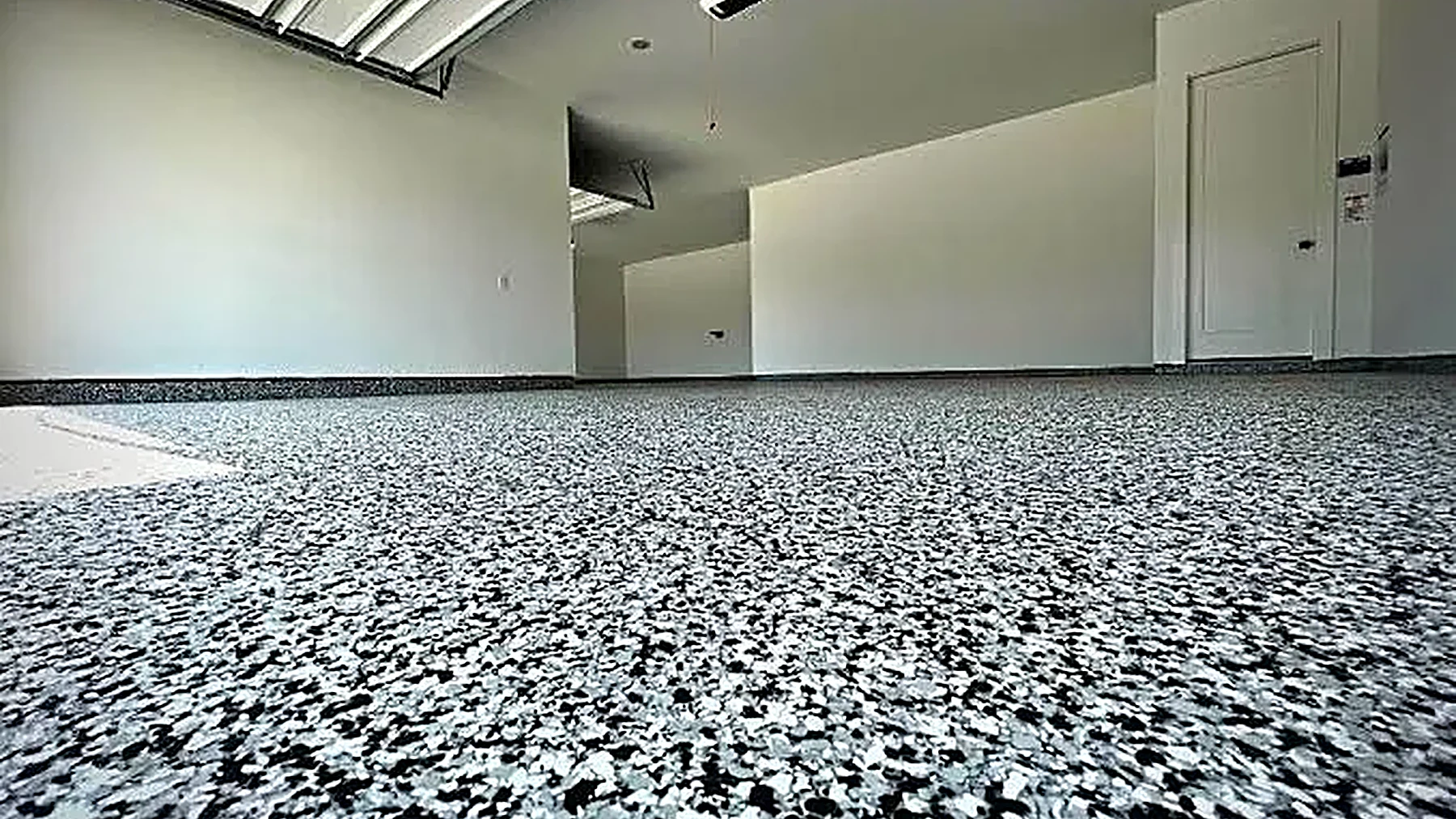
Ask most Boise homeowners when you can coat a garage floor and they will say spring or summer, assuming cold weather rules it out. It is a reasonable guess, because temperature genuinely matters to how floor coatings cure, and a cold slab is exactly where DIY epoxy jobs fall apart. But the full answer is more encouraging: a professional crew can coat a garage floor through much of a Treasure Valley winter, because they control the variables that doom a driveway-project epoxy. Here is what actually determines whether a winter install works.
Floor coatings are chemistry, and chemistry is temperature-sensitive. Epoxy and polyaspartic products cure through a reaction that slows dramatically as the concrete gets cold, and below a certain surface temperature a standard epoxy will not cure correctly at all. It thickens, goes on unevenly, and can stay soft or cloudy. Just as important is the slab temperature itself, not just the air, because a concrete floor holds cold long after the garage air warms up. This is the single factor that trips up winter coating attempts, and it is precisely what professionals plan around.
A professional crew handles a Boise winter install with three tools. First, they heat the garage and, crucially, the slab, bringing the concrete surface into the range where coatings cure properly. Second, they choose products formulated for lower temperatures, since some polyaspartic and specialty epoxy systems are designed to cure in cold conditions that would defeat a standard kit. Third, they measure rather than guess, checking slab temperature and moisture before they ever open a bucket. With those controls in place, a quality coating goes down and cures reliably even when it is freezing outside.
Polyaspartic coatings have a real edge in the cold, and it is a big reason they have taken off in the Treasure Valley. They cure faster and at lower temperatures than traditional epoxy, which shortens the window during which the floor is vulnerable and makes winter installs far more practical. That same fast, cold-tolerant cure is what enables the one-day floor many Boise homeowners want. When someone wants a garage floor coated in the middle of an Idaho winter, a polyaspartic system is usually the answer that makes it feasible.
Cold is only half the winter equation; moisture is the other. Snow and slush tracked into a garage, plus the moisture that can move up through a concrete slab, are enemies of coating adhesion. A professional install includes checking the slab for moisture and ensuring the surface is clean and dry before coating, steps a rushed DIY job skips. In winter especially, controlling moisture is as important as controlling temperature, and it is another reason the difference between a lasting floor and a peeling one comes down to preparation rather than the calendar.
So can you coat a garage floor in a Boise winter? Yes, when it is done by a crew that heats the slab, uses cold-capable materials, and manages moisture. What you should not do is buy a big-box epoxy kit and roll it onto a cold January slab, because that is the recipe behind most of the failed floors we are called to fix. Winter can actually be a convenient time to get the project done, before the busy warm season, as long as the work goes to someone who respects the temperature and moisture rules. For coating performance standards, manufacturers publish cure-temperature specs that reputable installers follow to the letter.
Not for a professional crew. Temperature matters a great deal to how coatings cure, and a cold slab can ruin a DIY epoxy job, but the pros manage it by heating the space, using products formulated for lower temperatures, and monitoring the concrete surface temperature. Polyaspartic coatings in particular cure well in cold conditions, which is one reason they are popular for Treasure Valley winter installs.
Because hardware-store epoxy needs warm, dry conditions to cure, and a Boise garage slab in winter is neither. The concrete stays cold, the epoxy thickens and cures poorly or unevenly, and moisture in the slab causes adhesion failure. Homeowners often blame the product when the real problem was applying a warm-weather epoxy to a cold, damp slab in January. Pros avoid this with the right materials and controlled conditions.
Epoxy vs. Polyaspartic: Which Garage Floor Coating Is Right for You? — Epoxy and concrete floor coatings installed across Boise and the Treasure Valley.