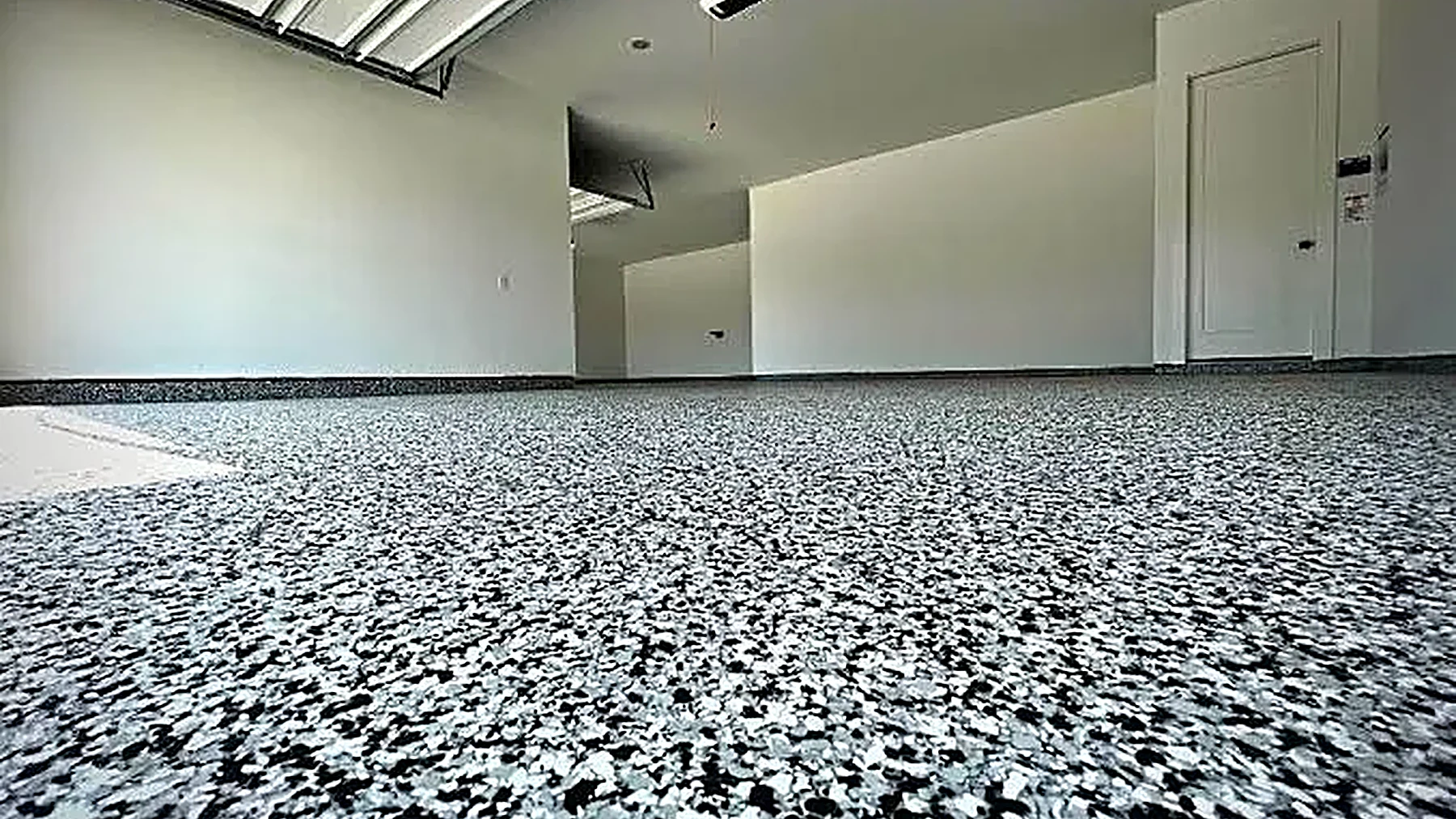
One of the first questions Boise homeowners ask after deciding to coat their garage floor is a practical one: how long before I can actually use it? It is a fair thing to want to know, because a garage is a working space — you need to walk in it, store things, and park your vehicles — and nobody wants their cars stranded in the driveway through a Treasure Valley cold snap longer than necessary. The answer depends on the coating system, the conditions during install, and what you mean by using it, since foot traffic and vehicle traffic have different timelines. This guide breaks down realistic cure and return-to-service times for coated floors in Boise and what affects them.
First, a useful distinction. Full chemical cure — when a coating reaches its maximum hardness and chemical resistance — can take longer than the point at which the floor is safe to walk on or park on. Return-to-service is the practical milestone most homeowners care about: when can I use the space again. A floor can be ready for foot traffic well before it is fully cured, and ready for vehicles before it reaches ultimate hardness. We always give both, so you know when you can walk in and when you can park without risking the finish. Confusing the two is where people get impatient and damage a new floor.
Polyaspartic coatings are prized for their speed, which is a big deal in Boise where homeowners do not want to lose a garage for a week. A polyaspartic system often allows foot traffic within hours to a day and vehicle traffic in roughly 24 to 48 hours. That fast turnaround is exactly why one-day floor systems are built around polyaspartics. They also tolerate cooler temperatures better than standard epoxy, so they cure more predictably during a Treasure Valley winter install. For most residential garages here, the quick return to use is one of the main reasons we recommend a polyaspartic or hybrid system.
Traditional epoxy cures more slowly. Expect roughly a day for light foot traffic and, importantly, several days — commonly three to seven — before you park a vehicle on it, with full cure taking longer still. That patience matters, because parking too soon is a leading cause of the hot-tire pickup and premature wear that ruin coatings. Epoxy has real strengths as a base layer and in certain builds, but its longer cure is a genuine consideration in a cold Boise garage, where low temperatures stretch those timelines further. When we use epoxy, we build the schedule around its cure needs so it sets up properly.
Temperature is the single biggest variable in cure time, and Boise’s climate makes it a real factor. Coatings cure through a chemical reaction that speeds up when it is warm and slows when it is cold. A summer install in a warm garage cures quickly; a winter install in an unheated Treasure Valley garage can cure much more slowly, and below certain temperatures some products will not cure properly at all. This is why we manage garage temperature during and after application — heating the space when needed — and why we lean on cold-tolerant polyaspartics for winter jobs. Ignoring temperature is how coatings end up soft, tacky, or failed.
Beyond temperature, humidity and ventilation play a part. High humidity can affect certain coatings during cure, and good airflow helps solvents and reaction byproducts leave the space. Boise’s generally dry climate is actually favorable here compared to humid regions, but garage conditions still matter, especially in winter when the space is closed up. We control the environment as much as practical during the critical early cure window so the coating develops its full hardness and adhesion. These are the invisible factors that separate a floor that cures hard and lasts from one that never quite reaches full strength.
Rushing return-to-service is a real risk. Walking on a floor before it is ready can mark it; parking before it is cured can cause tire marks, indentations, and hot-tire pickup, where warm tires bond to and peel a not-fully-cured coating. Dragging heavy items across a green floor can gouge it. These are avoidable failures that come entirely from impatience, and they are frustrating because the floor itself was fine. Following the return-to-service times we give you protects the investment. The guidance from coating manufacturers, consistent with the concrete industry resources at the American Concrete Institute, all stress respecting cure times for exactly this reason.
The practical takeaway is to plan the job around the return-to-service window and the season. If you need your garage back fast, a polyaspartic or one-day system minimizes downtime. If we are working in the cold months, expect us to manage temperature and possibly extend timelines a bit for a proper cure. Either way, we give you clear, honest dates for foot and vehicle traffic so you can plan where to park and when to move things back in. If you are considering a coated garage floor in Boise, Meridian, or anywhere in the Treasure Valley, we will walk you through exactly what to expect on timing for your specific project.
To make it concrete, here is how a common install often plays out. On day one we grind the concrete, repair any cracks, and apply the coating system; by the end of that day the floor is usually set enough that we can control access. Within about a day, light foot traffic is typically fine, so you can walk in to reach essentials. Then comes the vehicle wait — roughly a couple of days for a polyaspartic system, longer for epoxy — before you park. We recommend keeping heavy items and rolling toolboxes off the floor until the vehicle-ready date too. These are general ranges; your exact dates depend on the product and the temperatures, and we give you specifics for your job.
You can help your new floor cure well with a few simple habits. Keep the garage door managed as we advise so temperature stays in the right range, especially overnight in Boise’s cold months. Resist the urge to test the floor early or drag anything across it. Wait for the vehicle-ready date before parking, and for the first few weeks avoid dropping sharp or very heavy objects while the coating reaches full hardness. Treating the floor gently during that initial period pays off in a finish that stays flawless for years. A little patience up front is the cheapest insurance for a coating you want to last a long time.
It depends on the system. A polyaspartic floor often allows foot traffic within a day and vehicle traffic in about 24 to 48 hours, which is why it is popular for fast Boise installs. A traditional epoxy typically needs a day or so for foot traffic and several days — often three to seven — before you park on it. We give you exact return-to-service times for your specific floor and the temperatures during your install.
Yes, temperature has a big effect. Coatings cure faster in warm conditions and slower in the cold, so a winter install in an unheated Treasure Valley garage cures more slowly than a summer one. Polyaspartics are more tolerant of cold than standard epoxy, which is one reason we often recommend them here. We plan the schedule and product around the season so your floor cures properly and you get realistic timelines.
Epoxy vs. Polyaspartic: Which Garage Floor Coating Is Right for You? — Epoxy and concrete floor coatings installed across Boise and the Treasure Valley.